After years of being invited into NetSuite environments that had already gone off the rails, I've noticed a pattern. The problems almost never begin with failed software or a catastrophic implementation. They begin with perfectly reasonable assumptions that nobody revisits. By the time Finance starts asking uncomfortable questions, the ERP has often been doing exactly what it was configured to do for years.
The most valuable ERP conversations rarely end with the answer to the original question. They lead to a second question that no one thought to ask.
"If NetSuite is protecting the quantity... how is it protecting the value?"
When the end user asked the original question during Transfer Order testing, we decided to follow it a little further. The original question had been answered in less than a minute. The next few minutes turned out to be the valuable part of the conversation.
That review uncovered something entirely unrelated to receiving quantities. The Use Item Cost as Transfer Cost option was not enabled. Nothing appeared broken. Every transaction processed successfully. Yet inventory value was following a different accounting path than everyone expected. There were no errors, no warnings, and nothing to suggest that future transfers would continue carrying that assumption forward.
The interesting part wasn't the checkbox itself. Oracle included that option because different companies have different accounting requirements. The more important question was whether the configuration still reflected how this business intended to operate today. The configuration was doing exactly what someone had once intended. The problem was that no one had stopped to ask whether those assumptions still matched the business.
That's a conversation about governance, not software.
I've found that experienced ERP consulting has very little to do with knowing where every checkbox lives. The real value comes from recognizing that the first question is often just an invitation to ask a better second one. Sometimes the most important thing a consultant brings to a project isn't another answer. It's knowing which question should be asked next.
The first question solved a Transfer Order.
The second question protected the integrity of the ERP.
I help companies implementing Oracle NetSuite, gain operational clarity, financial trust, and process confidence across the ERP environment.
Independent. No license reselling. No partner quotas. No layers of project management. Clients work directly with a NetSuite ERP soloist focused on how the system actually behaves inside day-to-day operations.
Whether you need an independent go-live audit, operational optimization, executive guidance, or advanced NetSuite development, my role is simple: help your team make confident decisions before small issues become expensive ones.
Jack Ring
Left Ledger Inc.
Jack@LeftLedger.com
724-816-1000
...
If your business runs on NetSuite, you already know that transactions drive everything. Quotes turn into sales orders. Sales orders become fulfillments. Invoices close the loop. But here is the uncomfortable truth. Most companies send documents that look like they were generated in 2004. Plain fonts. Awkward spacing. Misaligned totals. Logo shoved in the corner. No brand presence. No hierarchy. No polish.
And every time that document hits a customer’s inbox or lands in a shipping box, it says something about you.
This article may be of interest to you if your business uses Oracle NetSuite ERP and sometimes has a need to flag certain stock units of a serialized item. NetSuite provides the efficiencies of managing your business in an industry standard way while at the same time leaving a lot of room for creative solutions customized to your way of running your business.
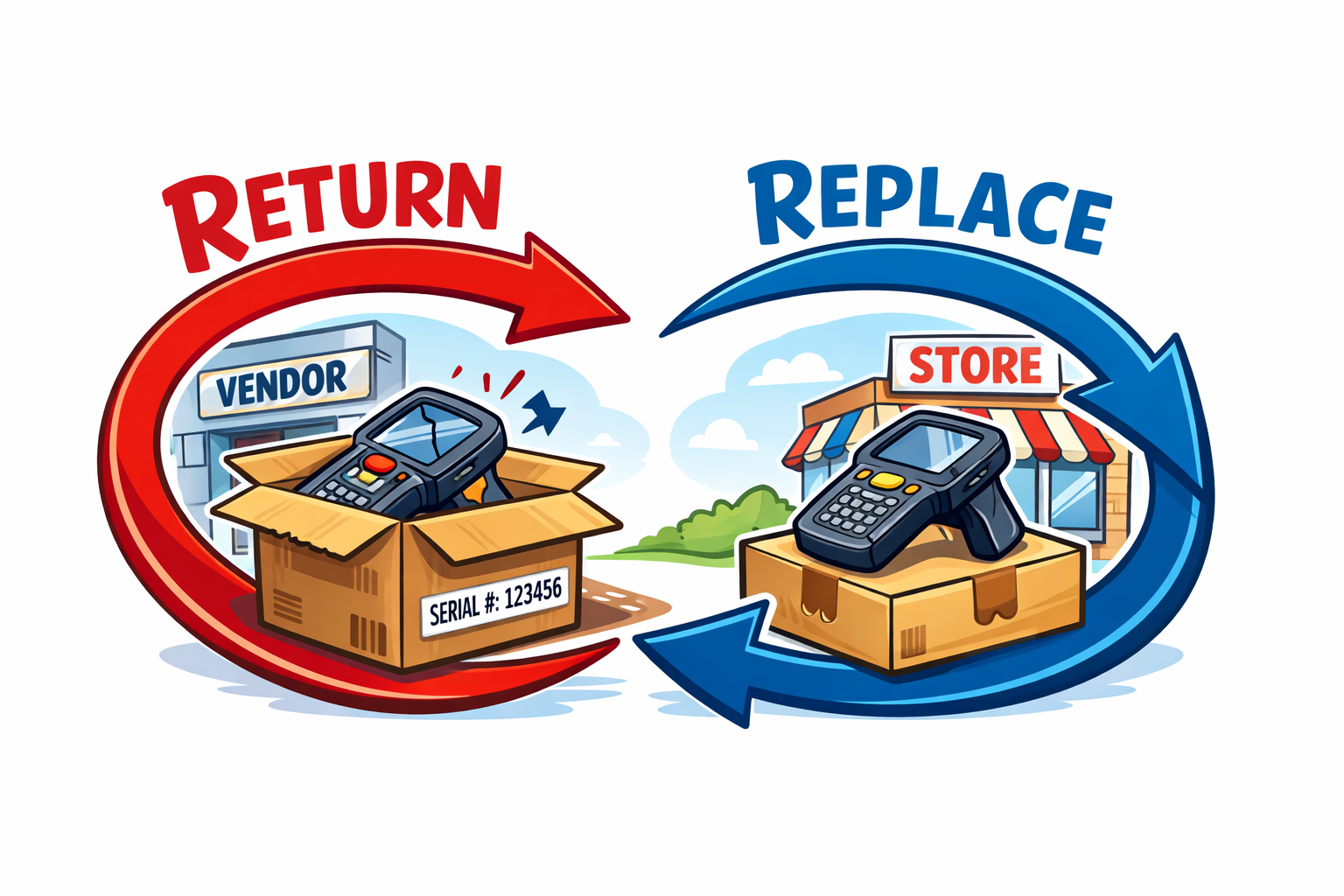
In distribution and serialized inventory environments, the "simple" act of swapping a defective unit for a customer can quietly damage financial integrity if not handled with discipline. A customer returns a serialized unit. The store hands them a new one from stock. The vendor agrees to replace or credit the defective unit. Everyone feels like the problem is solved.
Operationally, maybe. Financially, not necessarily.
After testing NetSuite’s native 3-Way Match Workflows, our client decided they only needed an immediate alert users when a Vendor Bill doesn’t align with its Purchase Order or Item Receipt. We built a lightweight, native solution that runs automatically, displays a banner on the record, and emails the right people to follow up all in just a few lines of code. This solution is focused on item rate matching.