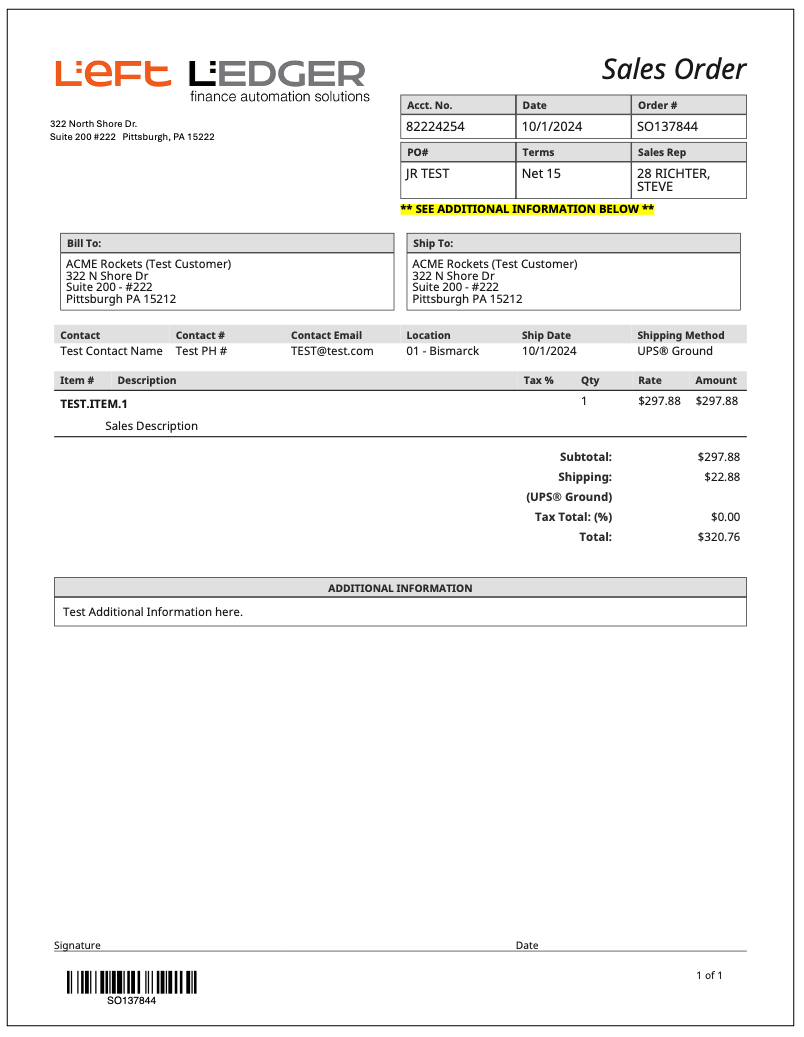
If your business runs on NetSuite, you already know that transactions drive everything. Quotes turn into sales orders. Sales orders become fulfillments. Invoices close the loop. But here is the uncomfortable truth. Most companies send documents that look like they were generated in 2004. Plain fonts. Awkward spacing. Misaligned totals. Logo shoved in the corner. No brand presence. No hierarchy. No polish.
And every time that document hits a customer’s inbox or lands in a shipping box, it says something about you.

Your invoice is not just a bill. Your quote is not just a price sheet. Your packing slip is not just a list of items. They are brand touchpoints. When a customer opens a quote, they are subconsciously asking; Is this company organized? Do they care about details? Are they premium or transactional? Do I trust them?
If your PDF looks generic, you look generic.
I see this over and over. Especially in start-ups, manufacturing and technology companies. Many of them have invested millions in operations, inventory control, and systems. Yet they send out documents that undermine all of it.
When properly executed, Advanced PDF transitions from a mere data export into a sophisticated extension of your brand. By moving beyond machine-like outputs and leveraging FreeMarker logic, dynamic fields, and structured layout blocks, you can transform standard NetSuite data into a document that feels intentionally designed rather than mass-generated.
This transformation is defined by clean, branded headers, a strong visual hierarchy for totals, and the intelligent grouping of complex line items like kits and serial numbers. More importantly, it allows for deep functional customization such as conditional logic for compliance notes or freight language wrapped in consistent typography and smart whitespace. Ultimately, this approach ensures your transactions carry a handcrafted quality, signaling a level of professionalism and attention to detail that sets your business apart.
Properly structured PDFs are a functional asset that reduces billing disputes and customer confusion by providing absolute clarity on complex orders. While most companies settle for default templates because they seem good enough, investing in document polish reflects a disciplined mindset that improves 3PL accuracy and protects your profit margins. This level of detail orientation transforms your transactions into a strategic tool that saves time and builds long-term customer trust.
Left Ledger is an independent consultancy with the specialized talent and dedicated focus required to refine every nuance of your NetSuite environment. We go beyond basic implementation by immersing ourselves in the details of your operational success, from training your team on advanced financial close procedures to ensuring your records are perfectly staged for a seamless audit.
Our meticulous approach ensures every workflow is optimized and every customer-facing document reflects the true quality of your business. By balancing technical rigor with a high standard for detail, Left Ledger helps you move past good enough toward a level of discipline (Process & Brand) that commands respect.
...
If your business runs on NetSuite, you already know that transactions drive everything. Quotes turn into sales orders. Sales orders become fulfillments. Invoices close the loop. But here is the uncomfortable truth. Most companies send documents that look like they were generated in 2004. Plain fonts. Awkward spacing. Misaligned totals. Logo shoved in the corner. No brand presence. No hierarchy. No polish.
And every time that document hits a customer’s inbox or lands in a shipping box, it says something about you.
And why most teams don’t see it coming. Go-live is not the finish line. It is the moment NetSuite is finally exposed to real behavior. This is where the system either proves itself or quietly begins to break. Not because NetSuite is flawed, but because the guardrails were never fully set.
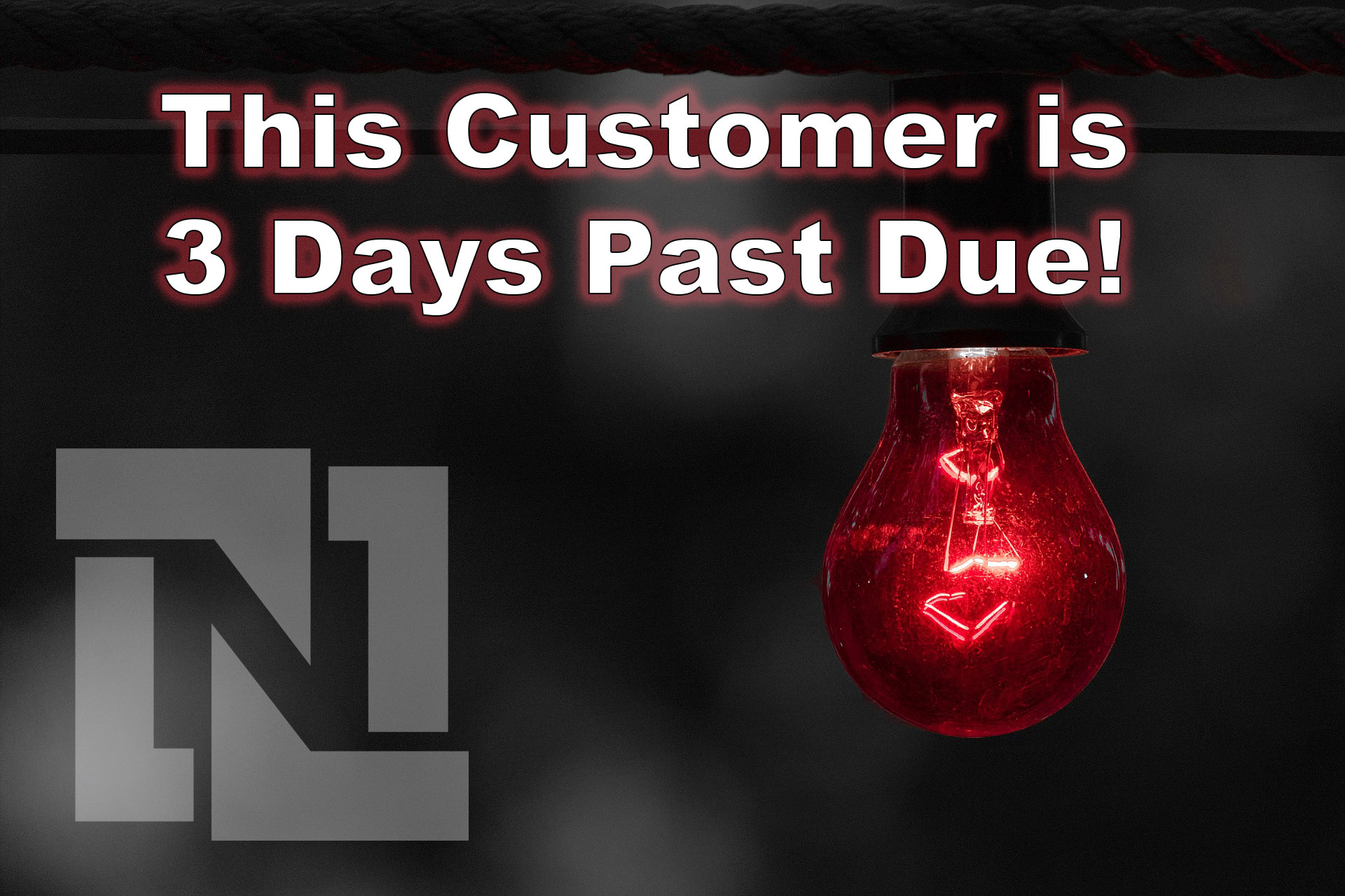
This article demonstrates how to create an elegant message banner across the top of the estimate form. This will display when there is an informative note about a customer. Another application may be used to trigger a banner to show when there is a past due amount.
This design pattern utilizes a client script, the SuiteScript message module and a custom body field on the customer record.
Most ERP conversations start and end with accounting. Close the books. Tie out reports. Make sure the numbers reconcile. That matters. It has to. But it is not the full picture. I work at the intersection of finance, operations, and system behavior. I came up through STEM and hard science, and that shaped how I think about complex systems. That lens carries into every NetSuite environment I step into.
Most teams eventually look at Unit of Measure in NetSuite and think they are missing something. The system supports it, it looks more structured, and it feels like the "right" way to do it.
In practice, expanding Unit of Measure often shifts complexity into every transaction instead of removing it. What looks like precision at the system level can quietly introduce friction across order entry, warehouse execution, and financial reporting.